

Spring has arrived, and with it, the vibrant return of the Texas bluebonnet. Whether you are driving through the pastures of Fossil Rim or passing by local highways and rural fields, these iconic blooms are a true symbol of the season.
Our state flower is as hardworking as it is beautiful. Because bluebonnets are legumes, they act as natural fertilizers by fixing nitrogen in the soil. This process supports the entire plant community and creates a critical habitat for essential pollinators — including bees and beautiful butterflies like the Gray Hairstreak and the Painted Lady.
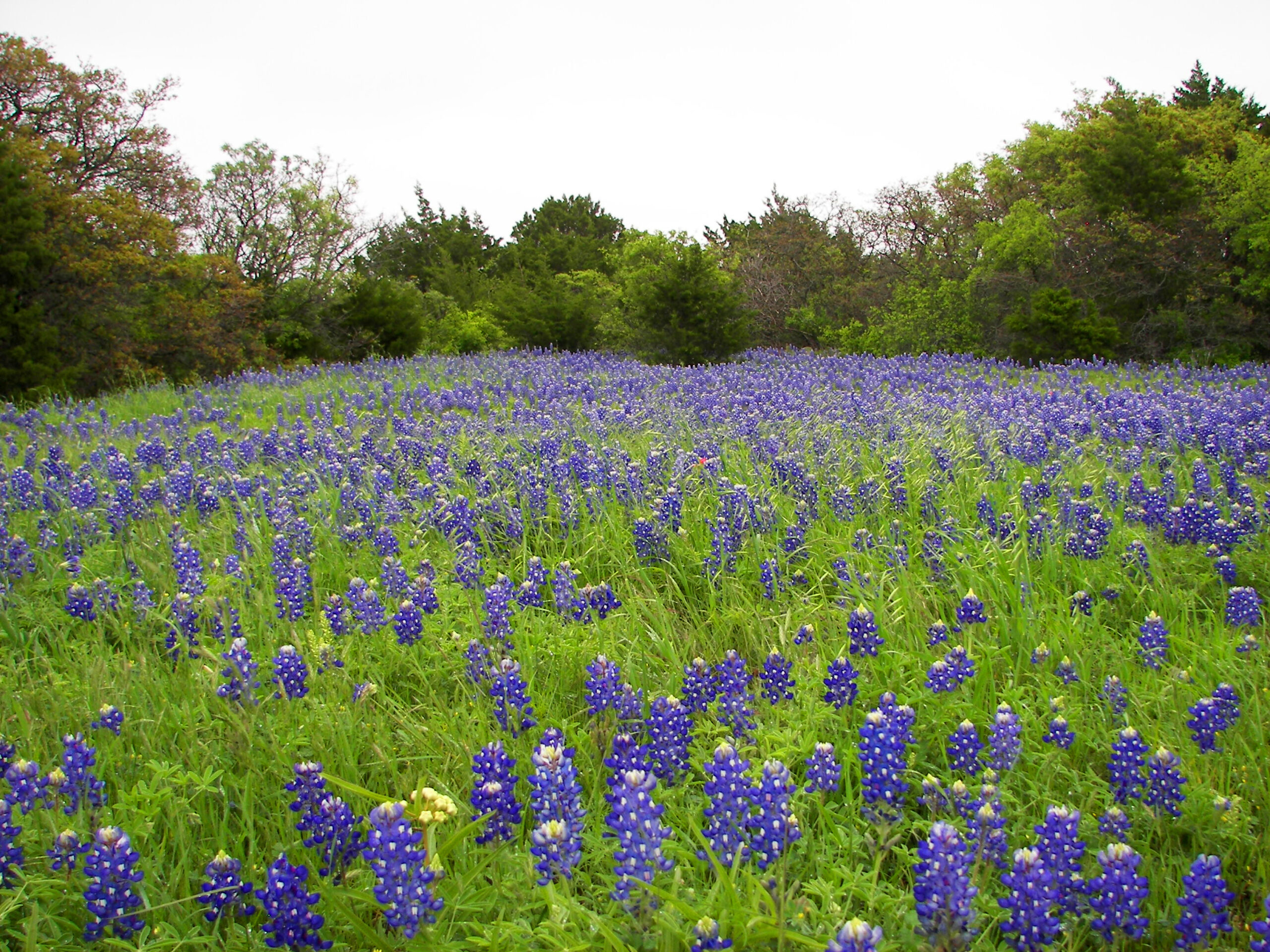
Bluebonnets and State Pride
While the fact that bluebonnets are found all around various Texas climates is one reason they became the state flower, the other lies in the symbolism they represent. Their ability to survive droughts, freezing temperatures, and intense heat embodies the resilience and toughness of the Texas spirit.
The bluebonnet’s significance extends far beyond its symbolism; it has become a true Texas tradition, celebrated in festivals across the state that both provide entertainment and highlight the plant’s essential conservation value. Each spring, our hills and prairies transform into a vibrant blue backdrop as families and photographers gather to celebrate the return of these beloved flowers.
Biology and Interesting Facts
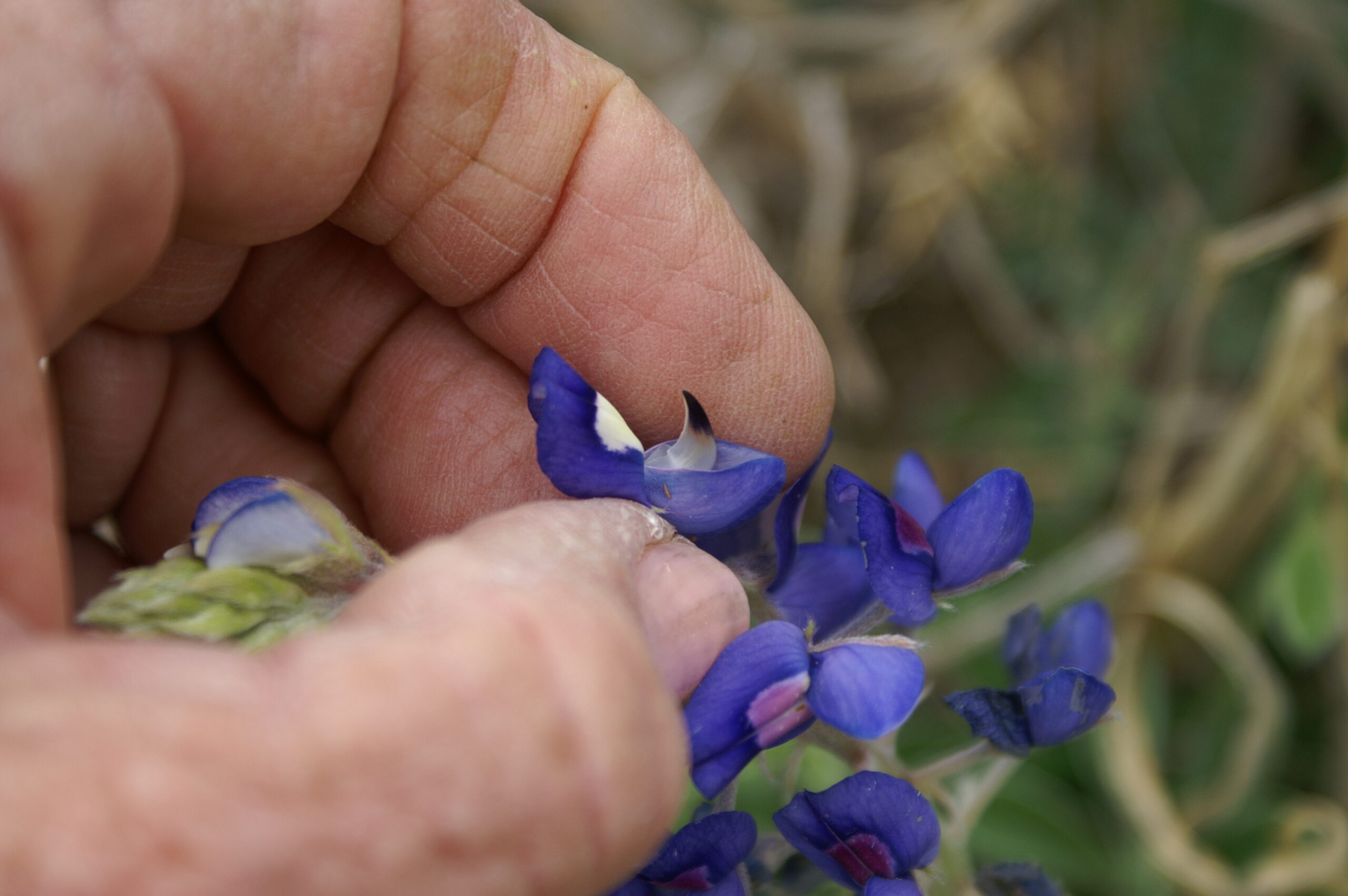
Bluebonnets are toxic, and their alkaloids are so bitter that grazers will often pick around them. Furthermore, the flowers feature ‘wing petals’ and ‘banner spots’ — tools for pollination that advertise to bees whether a bloom is fresh or has already been pollinated. The purple spot they bear means the flower is past its fertile window — a white spot means it’s fresh and can still be pollinated.
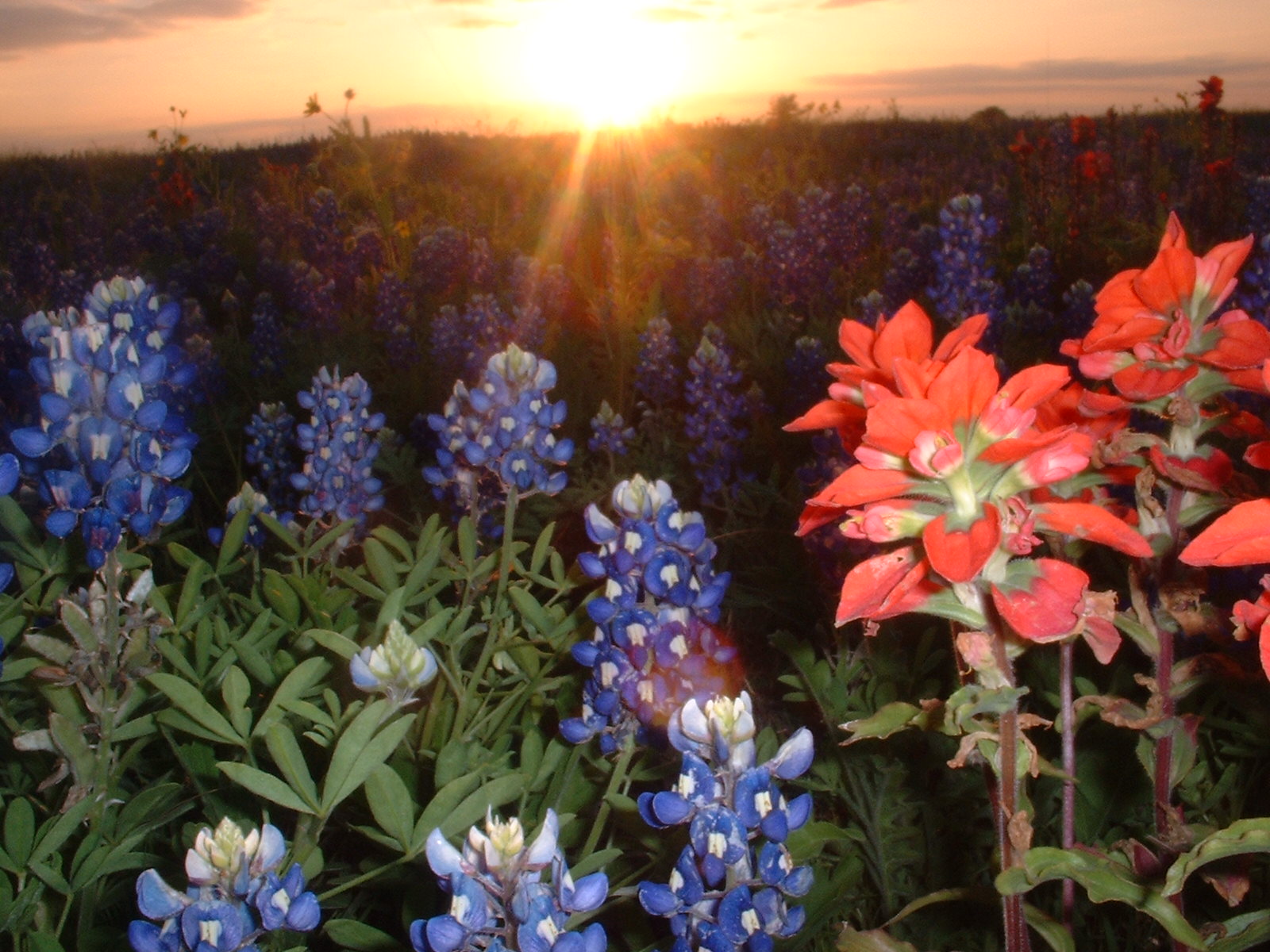
They are also often seen with Indian paintbrushes in Texas, which is a natural and symbiotic-like relationship. The Indian paintbrush relies on neighboring plants to supplement its nutrients, creating a hemiparasitic relationship in which the paintbrush steals water from the bluebonnet and other neighboring plants to grow bigger. Despite the word parasite, this relationship is essentially benign to the bluebonnet which is why you may often see gardeners advising people to grow them together.
Bluebonnet Conservation — How You Can Help
While conservation is often associated with the endangered species we protect here at Fossil Rim, it is equally vital for our native flowers. Wildflower conservation is about habitat stewardship — protecting the lifecycle of the bluebonnet so it can continue to perform its essential role in our ecosystem.
Simple habits and education go a long way in protecting our state flower. Because bluebonnets are annuals, they rely entirely on dropping their seeds each year to ensure they return. By avoiding picking, trampling, adding chemical fertilizer, or prematurely mowing, we give these plants the chance to ‘set seed,’ ensuring a vibrant, healthy display for seasons to come.
As we’ve highlighted, bluebonnets are far more than just a pretty flower; they are a vital foundation for our local ecosystem. They provide support for a wide array of insects, birds, and small mammals that depend on a healthy, balanced habitat to thrive.